

What is the Most Expensive Perfume? Understanding Luxury Fragrance
Luxury perfumes do more than simply make you smell pleasant. Some of these bottles can fetch up to £15,000 for a single kilogram of jasmine from Grasse. You might think the eye-watering costs are just about status or fancy packaging. The truth is, what you are really paying for is a blend of rare ingredients, artistry, and centuries of craftsmanship that turn fragrance into wearable masterpieces.
Table of Contents
- Defining Luxury: What Makes A Perfume Expensive?
- The Art Of Perfume Making: Ingredients And Craftsmanship
- Cultural Significance Of High-End Fragrances
- Market Trends: Who Buys The Most Expensive Perfumes?
- The Role Of Branding And Exclusivity In Perfume Pricing
Quick Summary
| Takeaway | Explanation |
|---|---|
| Luxury perfumes feature rare, unique ingredients | Exceptional sourcing like Jasmine from Grasse demonstrates the craftsmanship and complexity of high-end fragrances. |
| Perfume making blends art and science | The process involves selecting and balancing notes, akin to creating music, which contributes to the overall experience. |
| Fragrances convey personal identity and social status | Luxury perfumes act as non-verbal communication tools, expressing individual narratives, moods, and aspirations. |
| Younger consumers drive luxury perfume market growth | Millennials and Gen Z prioritize experiences and personal storytelling, reshaping the dynamics of fragrance purchasing. |
| Branding and exclusivity significantly influence pricing | The interplay of narrative, heritage, and limited availability creates perceived value that justifies the high costs of luxury perfumes. |
Defining Luxury: What Makes a Perfume Expensive?
Luxury perfumes transcend mere fragrance. They represent an intricate blend of artistry, craftsmanship, and exclusive ingredients that elevate them far beyond standard scents. Understanding what transforms a perfume from ordinary to extraordinary requires exploring multiple dimensions of value creation.
TheAlchemy of Rare Ingredients
At the heart of luxury perfumery lies an extraordinary selection of ingredients. These are not mass-produced components but meticulously sourced, rare botanical extracts and precious essences. Consider jasmine from Grasse, France where a single kilogram can cost up to £15,000, or Oud oil from agarwood trees that commands astronomical prices due to its scarcity.
According to the BBC World Service’s ‘The Forum’, the artistry involved in creating unique scents fundamentally defines luxury fragrances. Master perfumers spend years developing signature blends, treating fragrance creation as a sophisticated art form comparable to fine painting or musical composition.
Beyond Fragrance: The Premium Experience
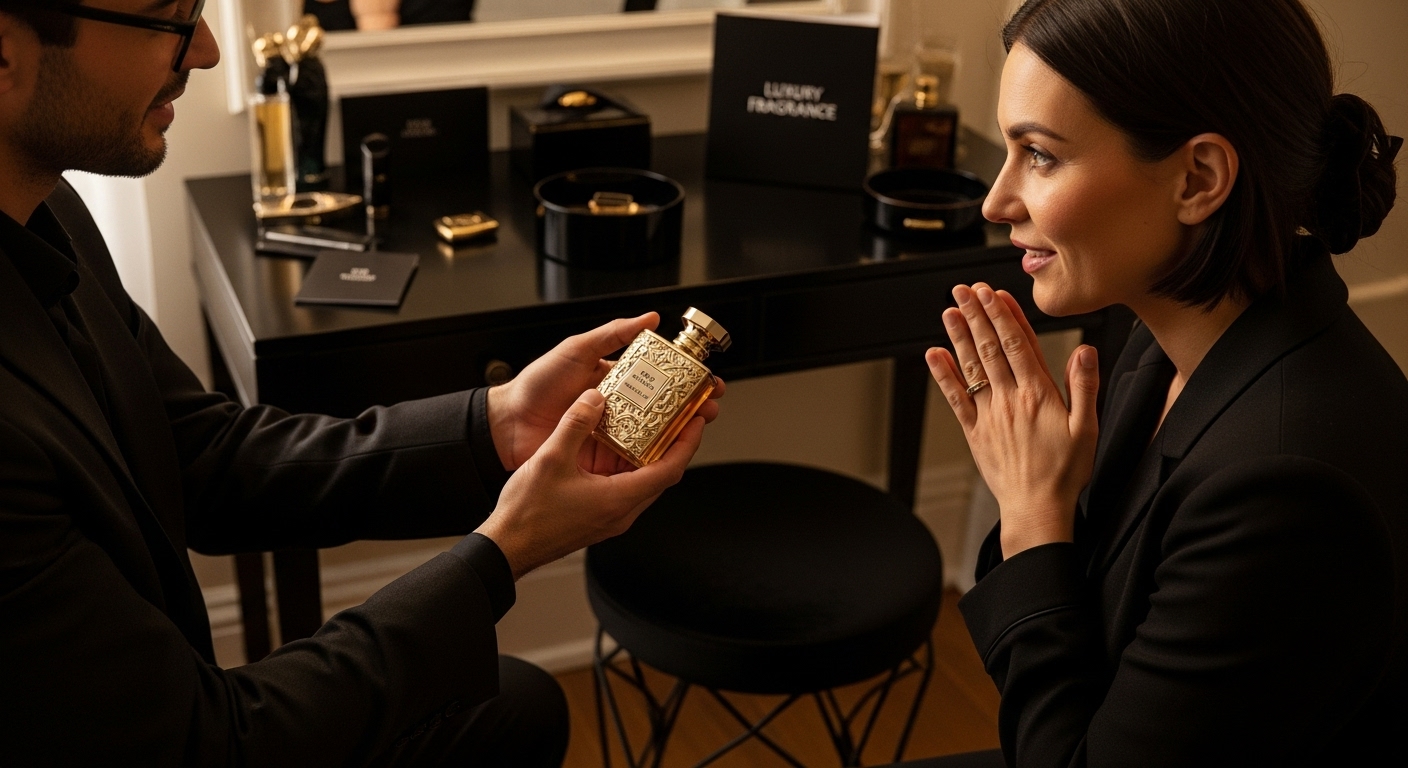
Luxury perfumes offer more than just a pleasant scent. They provide an immersive sensory experience that begins with exquisite packaging, often featuring hand-crafted bottles, limited edition designs, and intricate detailing. Brands invest significantly in storytelling, transforming each fragrance into a narrative of exclusivity.
For those curious about the intricate world of high-end fragrances, read more about our guide to fragrance crafting, which explores the nuanced techniques behind creating premium scents.
Key factors driving perfume prices include:
- Rare and exotic ingredient sourcing
- Complex production processes
- Brand heritage and reputation
- Artistic design and packaging
- Limited production quantities
Ultimately, luxury perfumes represent more than a fragrance. They are wearable art, personal statements, and sensory experiences that transcend traditional cosmetic boundaries.
The following table summarises the key factors contributing to the high price of luxury perfumes, providing a clear overview of the main drivers discussed in the article.
| Factor | Description |
|---|---|
| Rare Ingredient Sourcing | Use of scarce materials like jasmine from Grasse and Oud oil, which are costly and hard to obtain |
| Complex Production Processes | Intricate methods including precise blending, ageing, and testing to achieve unique fragrances |
| Brand Heritage and Reputation | Established brands with rich histories command higher prices due to perceived quality and trust |
| Artistic Design and Packaging | Exquisite, hand-crafted bottles and limited editions add both value and desirability |
| Limited Production Quantities | Restricted releases and exclusivity make these perfumes more sought after and premium |
The Art of Perfume Making: Ingredients and Craftsmanship
Perfume making represents a complex and sophisticated art form that combines scientific precision with creative expression. More than simply mixing fragrant liquids, it involves an intricate process of selecting, blending, and balancing unique ingredients to create olfactory masterpieces.
The Science of Scent Composition
Perfume crafting begins with understanding the chemical structure of fragrance molecules. Professional perfumers, known as ‘noses’, meticulously select ingredients based on their molecular interactions, volatility, and aromatic profile. Each ingredient contributes specific notes that evolve over time, creating a dynamic sensory experience.
According to The Perfume Society, luxury perfume ingredients are selected not just for their scent, but for their rarity and complexity. Rare botanical extracts like Bulgarian rose, which requires thousands of petals to produce a single gram of essential oil, exemplify the extraordinary sourcing behind high-end fragrances.
Layering and Harmonising Fragrance Notes
Master perfumers approach scent creation like musical composition. They construct fragrances using top, middle, and base notes that interact and transform.
This table outlines the three layers of fragrance notes commonly used in luxury perfume creation, highlighting their distinct roles in shaping the overall sensory experience.
| Fragrance Note | Role in Perfume | Duration |
|---|---|---|
| Top | Initial impression | 5–15 minutes |
| Middle | Main body or heart of scent | 20–60 minutes |
| Base | Depth and lasting impression | Several hours |
Explore our guide to creating your own scent to understand the nuanced techniques behind blending essential oils and crafting unique aromatic experiences.
Key stages in professional perfume crafting include:
- Ingredient selection and sourcing
- Molecular analysis of fragrance components
- Precise measurement and blending
- Aging and maceration processes
- Continuous refinement and testing
Ultimately, perfume making transcends mere chemistry. It is an art form where science, creativity, and sensory perception converge to create liquid poetry that tells a story through scent.
Cultural Significance of High-End Fragrances
Fragrances are far more than pleasant aromas. They represent complex cultural symbols that communicate personal identity, social status, and emotional narratives. High-end perfumes transcend mere scented liquids, functioning as powerful instruments of personal expression and social communication.
Perfume as Personal Narrative
Luxury fragrances serve as intimate biographical statements. They communicate aspects of personality, mood, and aspiration without uttering a single word. A carefully selected perfume becomes an extension of personal identity, allowing individuals to craft and project specific impressions about themselves.
Research from Manchester University reveals that luxury consumption practices surrounding perfumes include self-transformation, status signalling, and emotional escapism. These fragrances become tools through which individuals negotiate and express their complex social identities.
Symbolic Power and Social Dynamics
High-end perfumes operate as sophisticated social currencies. They signify more than wealth they represent cultural sophistication, aesthetic sensibility, and personal refinement. The choice of a particular fragrance can indicate membership in specific social circles, professional contexts, or cultural communities.
Learn about how pop culture influences fragrance trends to understand the intricate relationship between personal scent choices and broader cultural narratives.
Key cultural dimensions of luxury fragrances include:
- Emotional storytelling through scent
- Personal identity construction
- Social status signalling
- Cultural and aesthetic expression
- Psychological self-presentation
Ultimately, luxury fragrances represent sophisticated forms of non-verbal communication. They are complex cultural artifacts that simultaneously reflect and shape individual and collective identities, bridging personal experience with broader social meanings.
Market Trends: Who Buys the Most Expensive Perfumes?
The luxury perfume market represents a complex ecosystem driven by sophisticated consumer behaviors, demographic shifts, and evolving cultural preferences. Understanding who purchases high-end fragrances reveals intricate patterns of consumption and personal expression.
Demographic Dynamics of Luxury Fragrance Consumers
Contrary to traditional assumptions, luxury perfume buyers are not exclusively wealthy older individuals. Millennials and younger generations are increasingly driving the premium fragrance market, valuing unique experiences and personal storytelling over mere brand recognition.
According to Technavio’s market research, the luxury perfume market is experiencing substantial growth, with an expected compound annual growth rate of 6.71% between 2023 and 2028. This expansion is significantly influenced by younger consumers seeking personalized, meaningful fragrance experiences.
Psychological and Social Motivations
Luxury perfume purchases transcend simple product acquisition. They represent complex psychological investments in personal identity, social positioning, and emotional expression. Consumers are not just buying a scent they are purchasing a narrative, an experience, and a form of self-representation.
Explore how social media impacts perfume choices to understand the evolving landscape of fragrance consumption and trend formation.
Key consumer segments driving luxury perfume markets include:
- Global urban professionals
- Fashion and lifestyle influencers
- High-net-worth individuals
- Experiential luxury seekers
- Cultural and aesthetic connoisseurs
Ultimately, the luxury perfume market reflects broader societal transformations. It is a dynamic landscape where personal identity, cultural trends, and consumer psychology intersect, creating a rich tapestry of fragrance consumption that goes far beyond simple product purchasing.
The Role of Branding and Exclusivity in Perfume Pricing
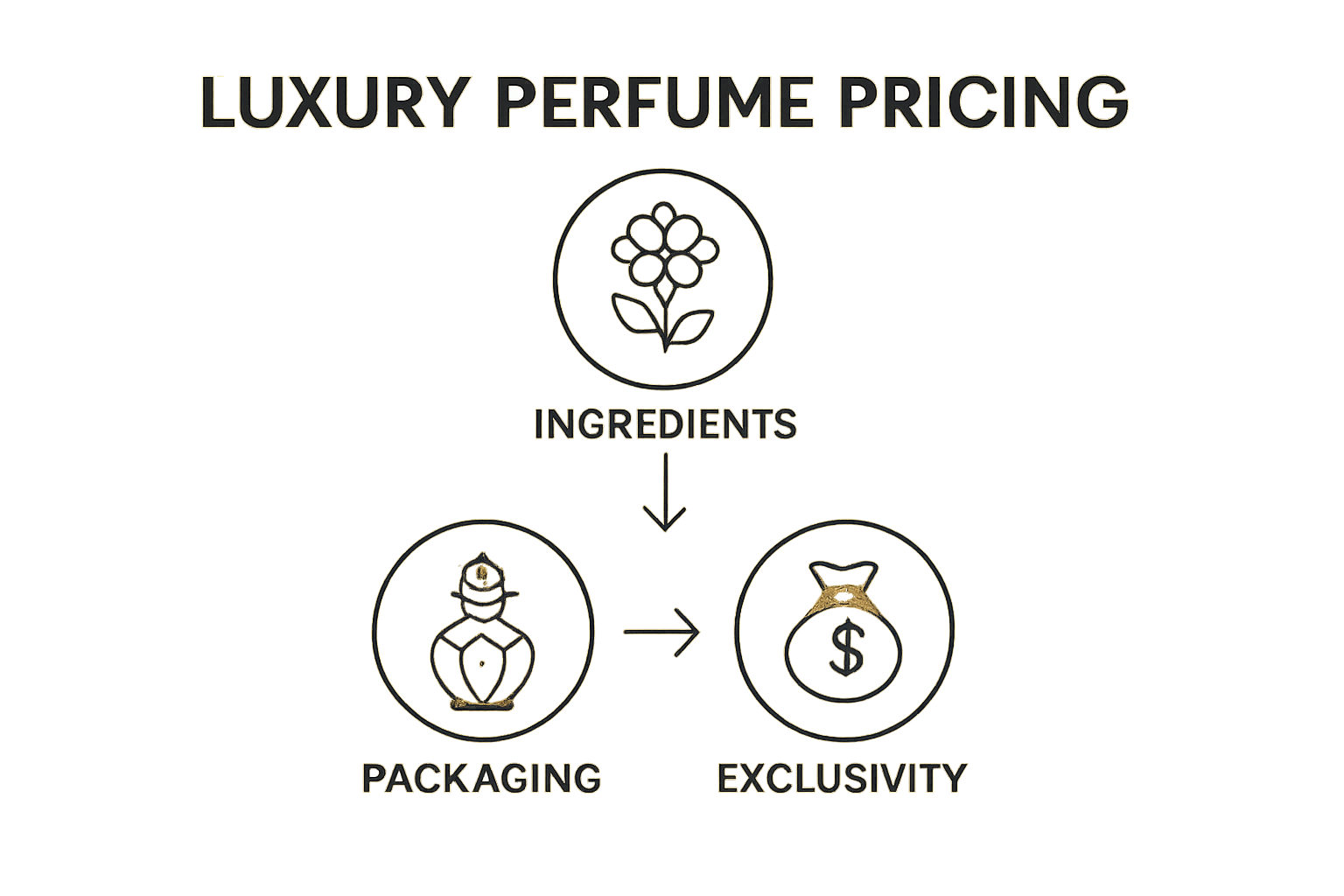
Perfume pricing extends far beyond manufacturing costs. It represents a sophisticated interplay of brand perception, psychological positioning, and strategic marketing designed to create perceived value that transcends the physical product.
The Psychology of Luxury Pricing
Luxury perfume brands meticulously craft narratives that transform fragrances from mere scented liquids into coveted cultural artifacts. Brand heritage, storytelling, and carefully constructed mystique play critical roles in justifying premium pricing. Consumers are not simply purchasing a fragrance they are investing in an experience, a narrative, and a statement of personal identity.
The UK Intellectual Property Office’s ‘Choose Safe not Fake’ campaign highlights how authentic branding creates consumer trust and differentiates genuine luxury products from imitations.
Exclusivity as a Pricing Strategy
Exclusivity becomes a powerful economic lever in luxury perfumery. Brands strategically limit production, create limited edition releases, and develop intricate packaging to enhance perceived value. These tactics transform fragrances into collectible items, driving demand among discerning consumers who seek unique, rare experiences.
Discover the unique benefits of niche perfumes to understand how smaller, specialized brands create value through exceptional storytelling and limited availability.
Key elements driving perfume brand exclusivity include:
- Restricted production quantities
- Unique ingredient sourcing
- Elaborate packaging design
- Compelling brand narratives
- Celebrity or designer collaborations
Ultimately, luxury perfume pricing represents a complex ecosystem where emotional connection, brand mythology, and strategic marketing converge. The most successful brands do not simply sell fragrances they sell dreams, identities, and aspirational experiences that consumers are willing to invest significant resources to obtain.
Experience True Luxury Without the Excessive Price
Many readers of this article are searching for the artistry and prestige of high-end fragrance, yet face a common frustration: the prohibitive cost of exclusive perfumes. The article discusses premium ingredients, masterful construction, and the emotional power of luxury scents, but also reveals how exclusivity and brand strategies drive prices to unattainable levels for most perfume lovers.
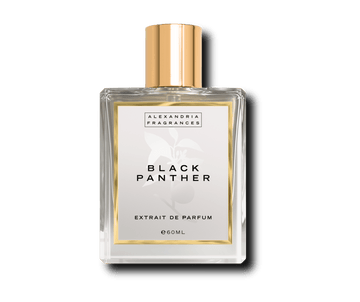
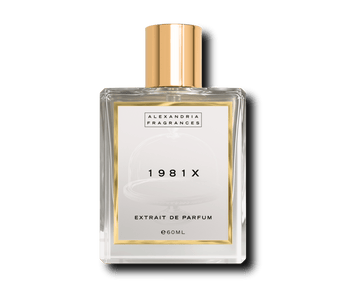
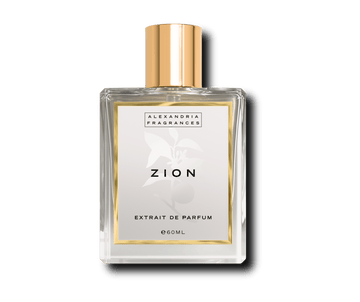
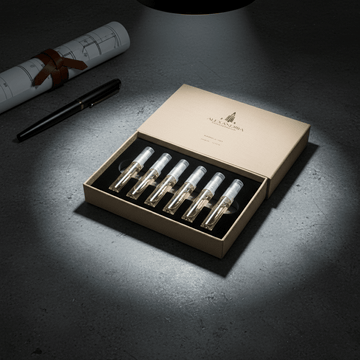
At Alexandria UK, we understand your desire for sophisticated, memorable fragrances that reflect your unique personality. Our collection is inspired by renowned luxury scents and crafted for those who long for quality and artistry—without the extravagant price tag. Our focus on fragrance inspiration and dupe creation brings iconic aromas within your reach. For a deeper understanding of fragrance creation, we invite you to read about the art of fragrance crafting and how we pursue excellence in every bottle.
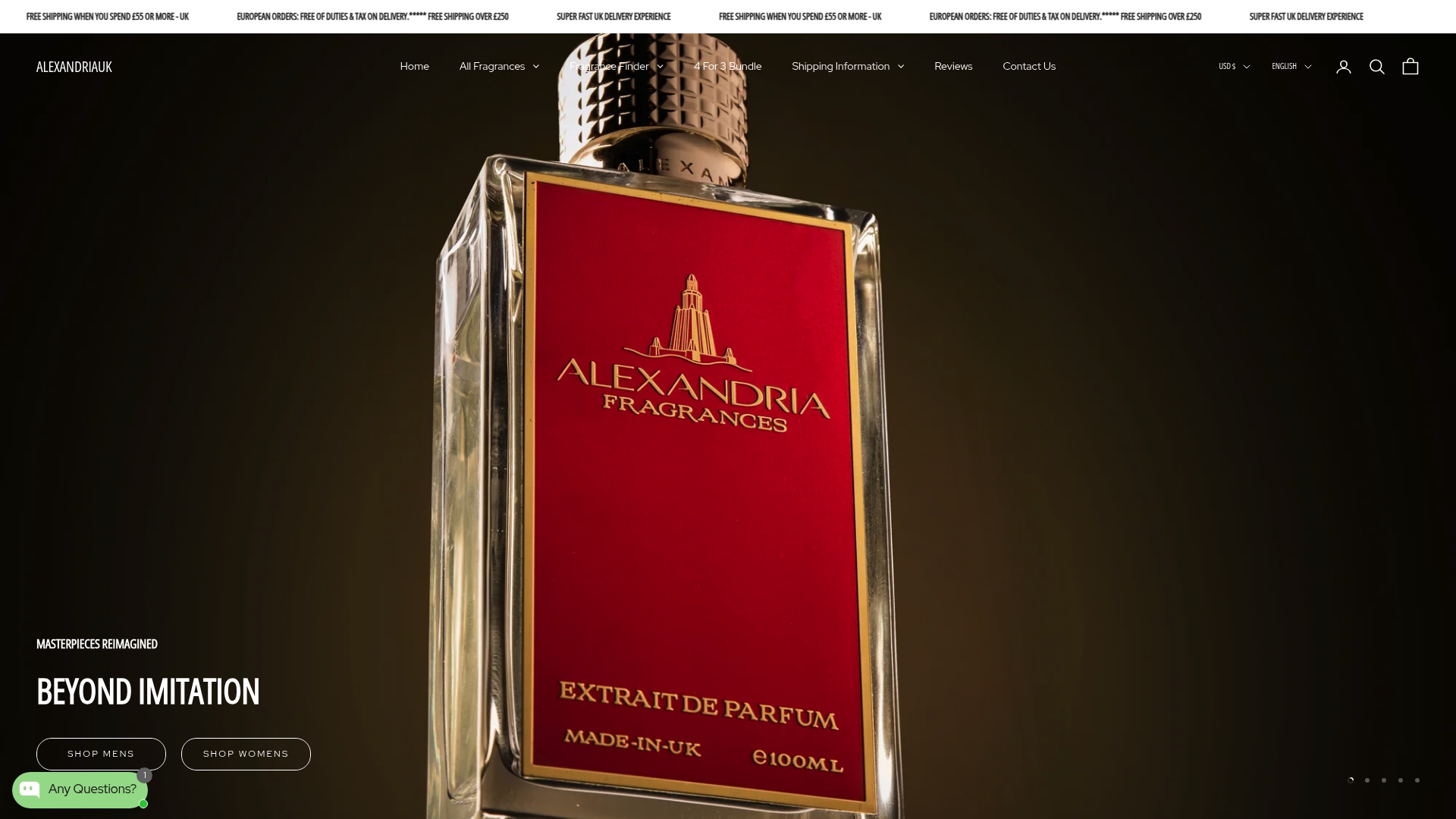
Ready to explore luxury for yourself? Visit our main site Alexandria UK and browse inspired premium perfumes for less. Discover how affordable quality can be yours—indulge today and enjoy the transformation that only a truly remarkable fragrance can deliver. If you’re interested in the creative process, be sure to explore how we craft unique scents with essential oils for an inside look at our dedication to excellence.
Frequently Asked Questions
What defines a luxury perfume?
Luxury perfumes are characterised by their use of rare and exotic ingredients, intricate craftsmanship, and unique packaging, providing an immersive sensory experience that extends beyond just fragrance.
Why are some perfume ingredients so expensive?
Ingredients like jasmine from Grasse or Oud oil are costly due to their rarity and the complex processes involved in sourcing and extracting them, leading to high production costs for luxury fragrances.
How is a perfume’s price determined?
The price of luxury perfumes is influenced by factors like the quality of ingredients, production processes, brand heritage, exclusivity, and the artistry involved in crafting the scent.
What role does branding play in the perception of perfume value?
Branding creates consumer trust and perceived value through heritage, storytelling, and exclusivity, transforming fragrances into cultural artefacts that consumers see as statements of personal identity.


